
Cusco Travel Guide: Everything You Need to Know Before Visiting

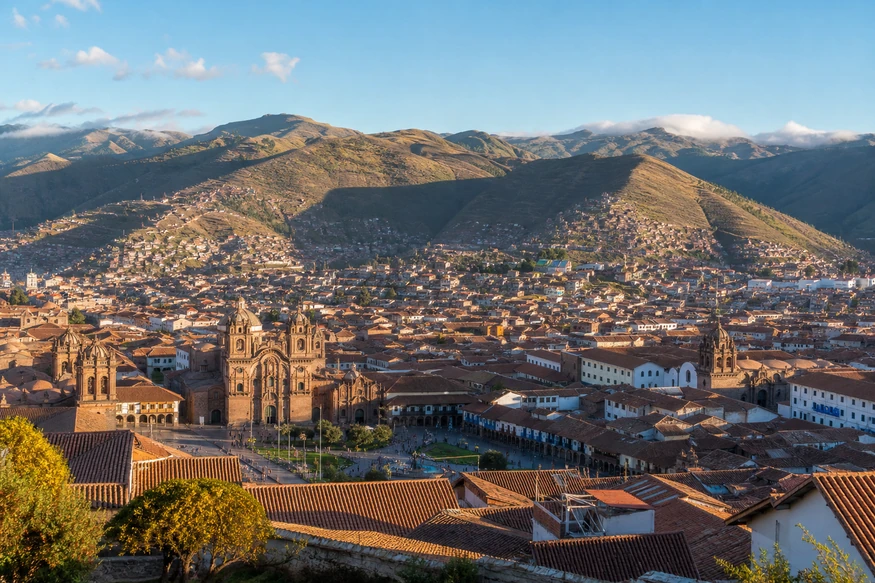
Cusco is more than the gateway to Machu Picchu. It is a high-altitude Andean city where Inca engineering, colonial architecture, traditional markets, outstanding food, and easy access to the Sacred Valley come together. A successful visit depends on planning the order of your trip well: acclimatize first, explore the city at a relaxed pace, and then add the day trips that match your interests and fitness level.
This Cusco travel guide covers the essentials for a first visit, including altitude, weather, transportation, where to stay, how long to spend, and the best excursions from the city.
Quick facts about Cusco
- Elevation: approximately 3,400 meters (11,152 feet)
- Recommended stay: at least 3–5 days, excluding a rushed Machu Picchu visit
- Best-known dry-season months: May through September
- Main arrival point: Alejandro Velasco Astete International Airport (CUZ)
- Best base for: historic Cusco, the Sacred Valley, Machu Picchu, Rainbow Mountain and Humantay Lake
When is the best time to visit Cusco?
Cusco has two broad travel seasons. The drier months generally offer clearer mornings and more predictable conditions for outdoor activities, while the wetter months bring greener scenery, fewer visitors, and a higher chance of afternoon showers.
June, July and August are popular because conditions are usually dry, but they also bring larger crowds and colder nights. April, May, September and October can offer a useful balance between weather and visitor numbers. For a detailed month-by-month explanation, read our guide to the best time to visit Cusco.
Understanding Cusco altitude
Visitors arriving from sea level often feel the altitude during their first day. Mild headache, tiredness, reduced appetite and shortness of breath can occur while the body adjusts. Plan a light arrival day, drink water, avoid heavy meals and alcohol, and do not schedule a demanding hike immediately after landing.
Some travelers choose to continue directly to Urubamba or Ollantaytambo, which sit lower than Cusco. This can make the first stage of acclimatization more comfortable. Our guide explains why an airport-to-Sacred-Valley transfer can help with trip planning at altitude.
How many days should you spend in Cusco?
Three days is a practical minimum for the city and one nearby excursion. Four or five days creates a more comfortable itinerary with time for the Sacred Valley and a major day trip. Travelers adding Machu Picchu should normally reserve additional time rather than trying to fit everything into a short stay.
See our complete 3, 4 and 5-day Cusco itineraries for a day-by-day plan.
Where to stay in Cusco
Historic Center
The area around Plaza de Armas is convenient for first-time visitors. Restaurants, museums, churches and many tour pickup points are within walking distance. It is lively and practical, although streets can be busy.
San Blas
San Blas has narrow streets, artisan workshops, cafés and attractive city views. Its steep lanes can feel demanding during the first days at altitude, so it is better suited to travelers comfortable with walking uphill.
Urubamba or the Sacred Valley
The Sacred Valley offers a quieter atmosphere, luxury resorts and a lower elevation. It works particularly well for relaxation, families, train connections from Ollantaytambo, and travelers who prefer to acclimatize outside the city.
Getting around Cusco
The historic center is walkable, but archaeological sites, train stations and the airport require transportation. Street taxis are widely available, yet vehicle condition, luggage capacity and pricing can vary. A prearranged private transfer is more useful when timing matters, when traveling with several bags, or when connecting with a flight or train.
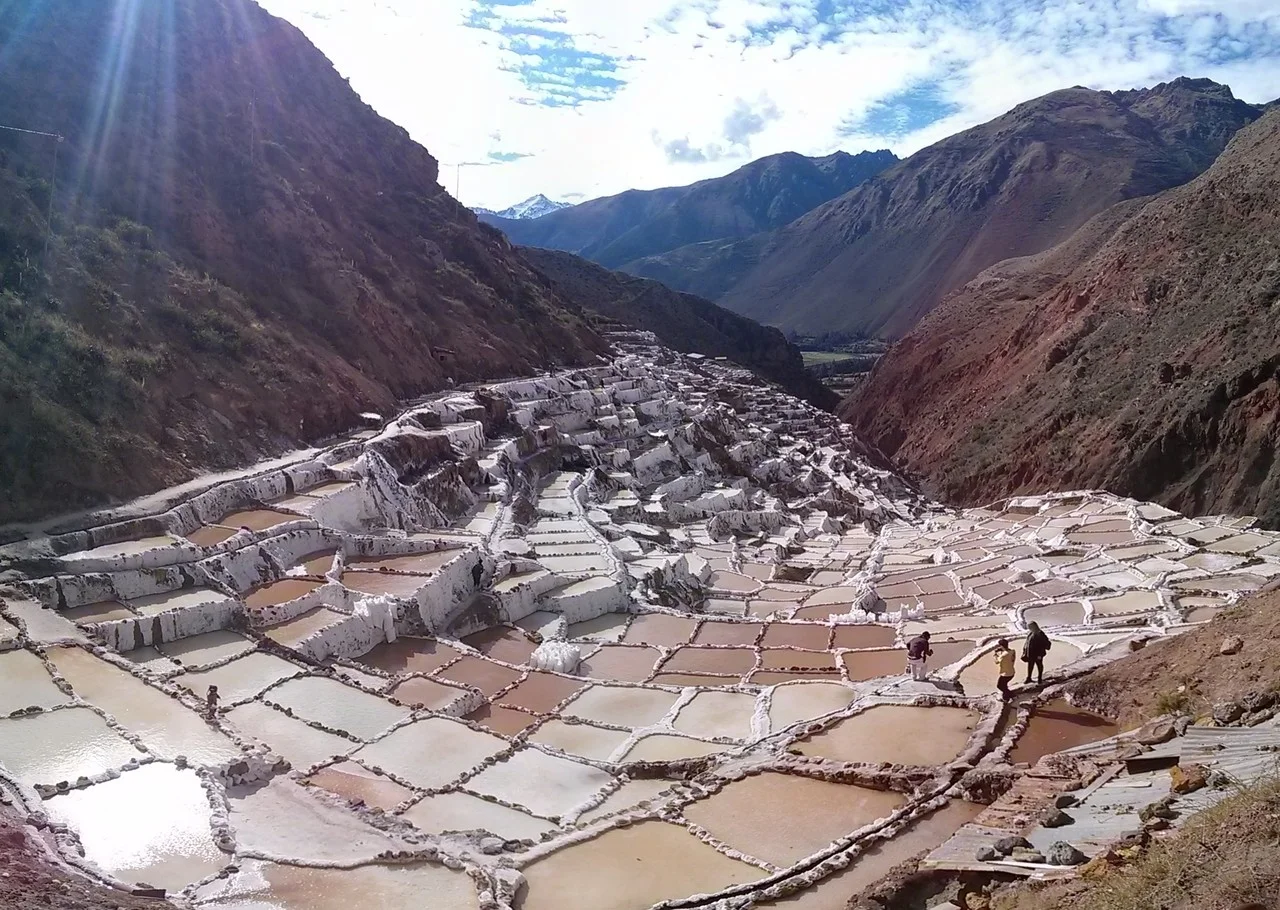
Private transportation can also transform a direct journey into a sightseeing route. For example, a transfer between Cusco and Ollantaytambo can include Chinchero, Maras or Moray when scheduled in advance. If you are arriving by air, review the Cusco Airport to Ollantaytambo travel guide.
Top experiences in and around Cusco
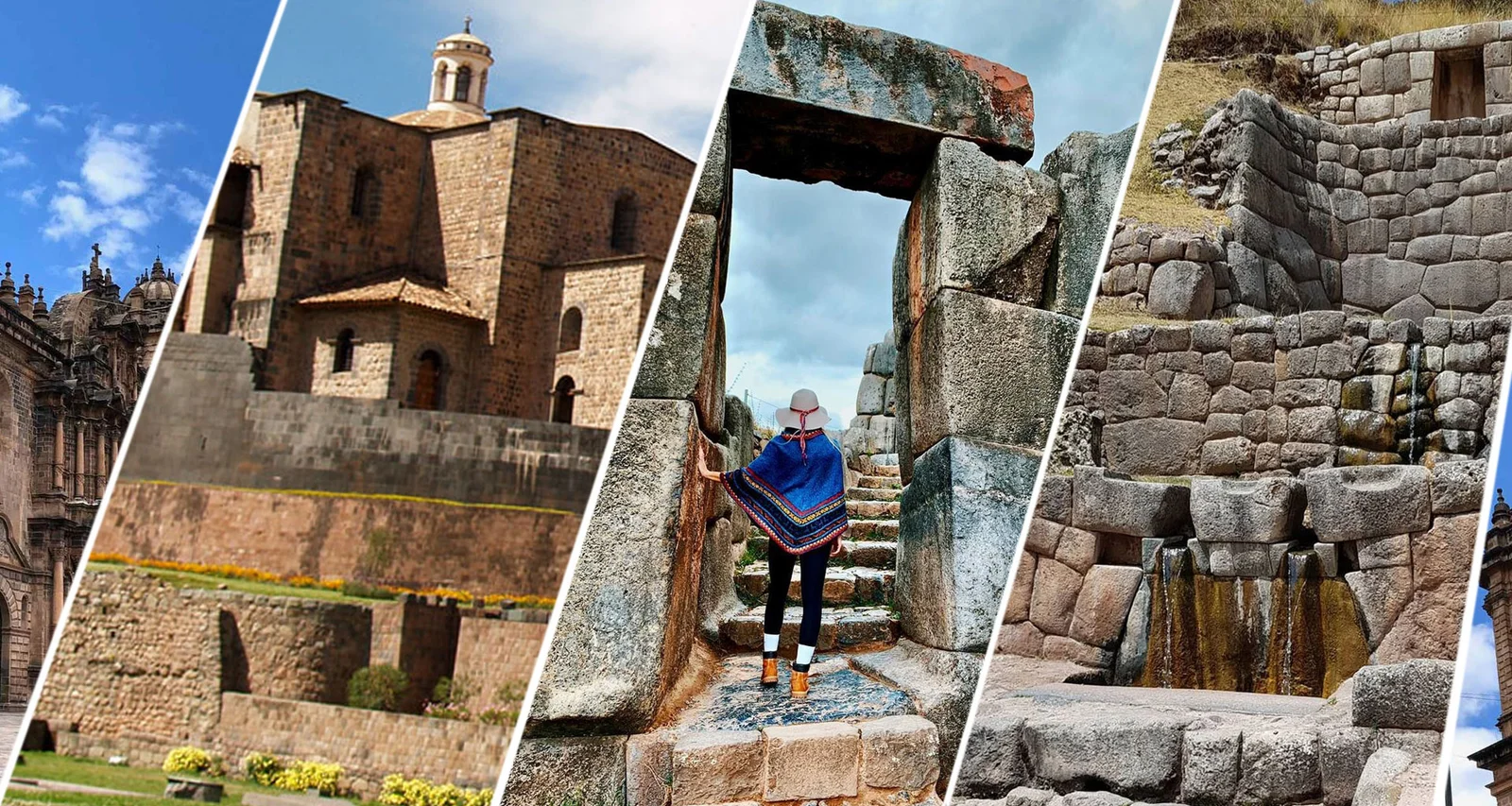
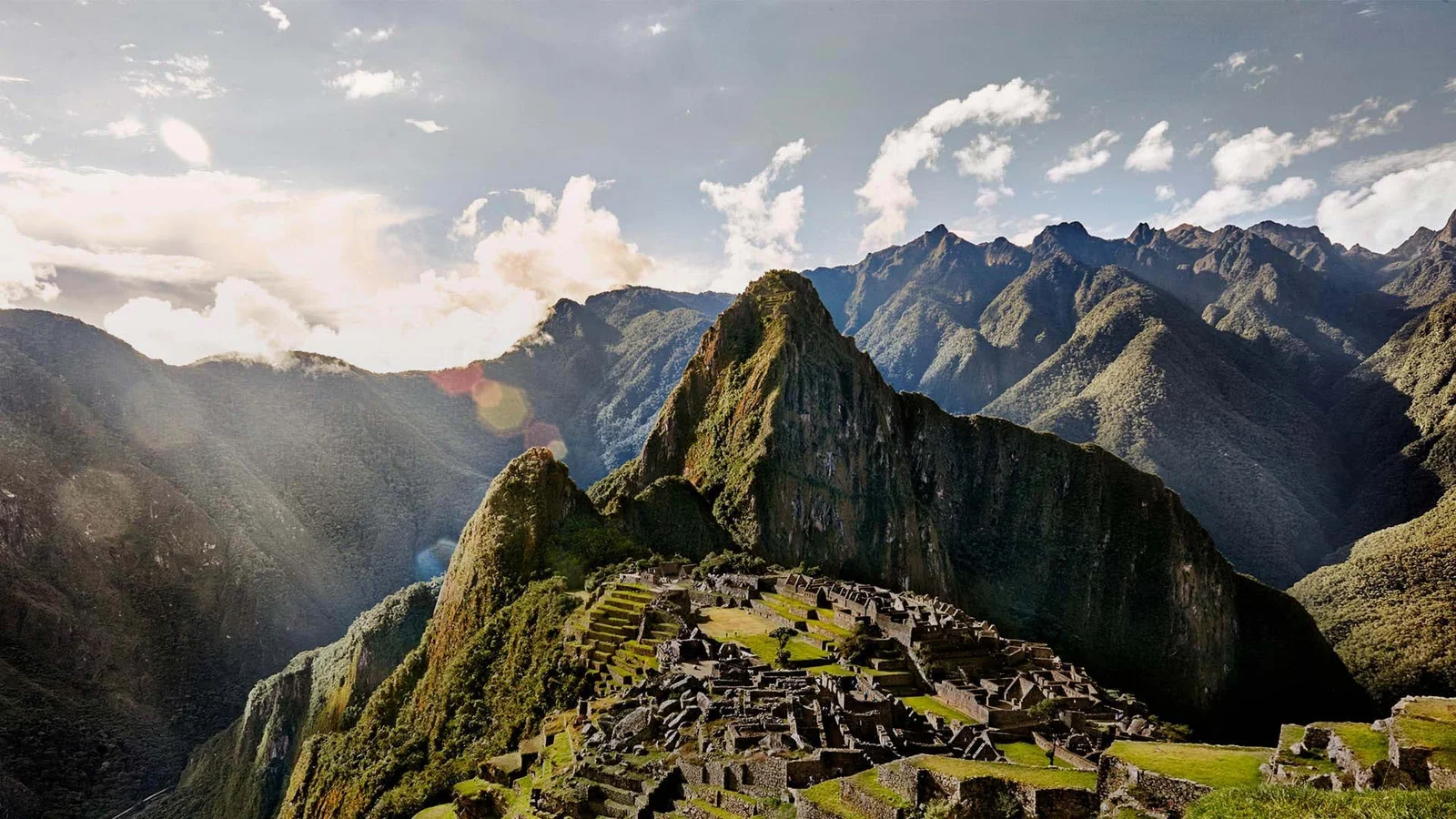
Start with the historic center, Qorikancha and the archaeological sites above the city. Then choose between the Sacred Valley, Machu Picchu, colorful mountain landscapes and high-altitude lakes. Our broader list of things to do in Cusco provides more ideas.
What to pack for Cusco
- Layers for warm sunshine and cold mornings or evenings
- A light waterproof jacket, particularly outside the driest months
- Comfortable walking shoes with reliable grip
- Sun protection, including a hat and high-SPF sunscreen
- A reusable water bottle and a small daypack
- Any personal medication you regularly need
Practical tips for a smoother visit
- Leave the first day relatively open so your body can adjust.
- Reserve Machu Picchu entrance and train arrangements in advance.
- Allow a generous buffer between flights and train departures.
- Confirm whether a tour includes entrance tickets, meals and a guide.
- Arrange long transfers beforehand when traveling with luggage or a group.
- Carry some Peruvian soles for small purchases and local entrance fees.
Is Cusco worth visiting beyond Machu Picchu?
Yes. Cusco deserves several days of its own. The city provides context for the Inca world, while the surrounding valleys, villages and archaeological sites reveal how varied the region is. A thoughtful itinerary combines cultural exploration, comfortable transportation and enough free time to adapt to the elevation.
With the essentials planned before arrival, Cusco becomes much easier to enjoy: start slowly, choose excursions that fit your pace, and treat the journey between destinations as part of the experience.