
Best Time to Visit Cusco

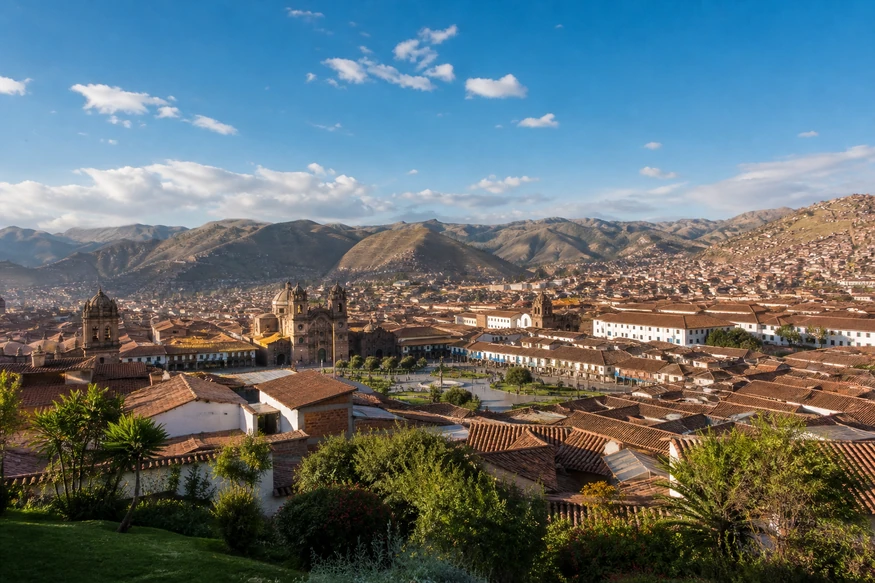
The best time to visit Cusco is from May to September, during the dry season. These months have less rain and better conditions for visiting Machu Picchu, the Sacred Valley, and hiking destinations around Cusco.
June, July, and August are the driest months, but they are also the busiest. If you want good weather with fewer visitors, May and September are two of the best months to visit Cusco.
Cusco can still be visited throughout the year. Your best month depends on whether you care most about weather, trekking, crowds, festivals, or lower prices.
Best Time to Visit Cusco at a Glance
| Travel Priority | Best Time |
|---|---|
| Best overall | May and September |
| Best weather | May to September |
| Trekking | May to September |
| Machu Picchu | April to October |
| Sacred Valley | April to October |
| Rainbow Mountain | May to September |
| Fewer crowds | April, May, September, October |
| Green scenery | January to March |
| Inti Raymi | June |
| Lower tourist season | November to March |
For a first trip to Cusco, May or September gives you a good balance between dry weather and fewer visitors than the June to August peak.
Dry Season in Cusco: May to September
Cusco’s dry season runs mainly from May through September.
Expect sunny days, little rain, and cold nights. These conditions work well for walking around Cusco and taking day trips into the Andes.
The dry season is a good time for:
- Machu Picchu
- Sacred Valley
- Rainbow Mountain
- Humantay Lake
- Sacsayhuamán
- Inca Trail
- Ausangate
- Outdoor activities around Cusco
June through August brings the lowest rainfall, but these months also coincide with the busiest part of the tourism season.
If you plan to travel during this period, book Machu Picchu tickets, trains, and accommodation well ahead of your trip.
Rainy Season in Cusco: November to March
Rain becomes more frequent from November through March, with January and February among the wettest months.
This does not mean it rains all day.
You can still get clear mornings followed by rain later in the day. The weather changes quickly in the Andes, so carrying a rain jacket is useful.
The main advantages of visiting during the rainy season are fewer visitors and greener mountains around Cusco and the Sacred Valley.
The disadvantages are wetter trails, more clouds, and a greater chance of weather affecting outdoor plans.
If trekking is the main purpose of your trip, the dry season is a better choice.
Cusco Weather by Month
Weather conditions change throughout the year. If you already know your travel month, use the guides below for detailed information about weather, rainfall, temperatures, crowds and what to do.
| Month | Weather | Crowds | Good For |
|---|---|---|---|
| Cusco in January | Rainy | Low | Green scenery, city visits |
| Cusco in February | Very rainy | Low | Culture, fewer visitors |
| Cusco in March | Rain begins to ease | Low | Green scenery, lower crowds |
| Cusco in April | Transition to dry season | Medium | Sightseeing, Sacred Valley |
| Cusco in May | Mostly dry | Medium | Hiking, outdoor activities |
| Cusco in June | Dry and sunny | High | Inti Raymi, trekking |
| Cusco in July | Very dry | Very high | Hiking, clear weather |
| Cusco in August | Dry | High | Machu Picchu, day trips |
| Cusco in September | Mostly dry | Medium | Good weather, fewer crowds |
| Cusco in October | Mixed | Medium | Shoulder season travel |
| Cusco in November | Rain increases | Low | Fewer visitors |
| Cusco in December | Rainy | Medium | Holidays, green scenery |
Each monthly guide can help you decide what to pack, what conditions to expect and which activities work best during your travel dates.
Cusco in January
January falls in the rainy season.
Expect regular rain, cloudy periods, and green mountains around the city. Trails can become wet and muddy.
You can still visit Cusco, Machu Picchu, and the Sacred Valley, but keep some flexibility in your schedule.
January suits travelers who do not mind rain and prefer fewer visitors than during the middle of the year.
Cusco in February
February is one of the wettest months in Cusco.
Heavy rain can affect hiking routes and mountain roads.
The Classic Inca Trail closes during February for annual maintenance, although Machu Picchu remains open.
If trekking is your main reason for visiting Cusco, choose another month.
For city visits and cultural activities, February is still possible.
Cusco in March
Rain continues in March but usually begins to decrease as the month progresses.
The countryside remains green, and visitor numbers are lower than during the dry season.
March can work if you want fewer crowds and do not mind occasional rain.
Bring waterproof clothing if your plans include outdoor activities.
Cusco in April
April marks the transition toward the dry season.
Rain becomes less frequent, while the mountains and valleys still retain much of their green color from previous months.
This makes April a good month for travelers who want better weather without the visitor levels of June, July, and August.
It is also a good time to visit the Sacred Valley and Machu Picchu.
Cusco in May
May is one of the best months to visit Cusco.
The dry season has started, trails are in better condition, and days are often clear.
Visitor numbers begin to increase, but May is usually less busy than June through August.
It works well for:
- Machu Picchu
- Sacred Valley
- Rainbow Mountain
- Humantay Lake
- Inca Trail
- Walking around Cusco
If you can choose your travel dates freely, May is one of our first choices.
Cusco in June
June has dry weather and plenty of activity around the city.
It is also one of Cusco’s busiest months.
The main cultural event is Inti Raymi, celebrated on June 24. Celebrations and events take place around Cusco during this period.
Book accommodation and major travel services early if you plan to visit in June.
Days can be sunny, but nights are cold.
Cusco in July
July is one of the driest months of the year.
Clear conditions make it a good month for hiking, archaeological sites, and mountain trips.
It is also peak season.
Expect more visitors at Machu Picchu, the Sacred Valley, and other major attractions.
If weather matters more to you than crowds, July is a strong choice.
Cusco in August
August remains dry and works well for most outdoor activities.
Conditions are good for Rainbow Mountain, Humantay Lake, the Sacred Valley, and trekking routes.
Visitor numbers remain high, although they begin to ease toward the end of the month.
Pack warm clothes for mornings and evenings.
Cusco in September
September is another of the best times to visit Cusco.
The dry season is ending, but conditions are still good for most outdoor activities.
Crowds also begin to decrease after the June to August peak.
September is a good choice if you want:
- Good hiking conditions
- Fewer visitors
- Machu Picchu
- Sacred Valley
- Rainbow Mountain
- Comfortable sightseeing in Cusco
For many travelers, September offers a better balance than July or August.
Cusco in October
October is a transition month.
Rain starts to become more common, but you can still get many clear periods.
Visitor numbers are lower than during peak season.
October works well if you prefer fewer crowds and are comfortable with less predictable weather.
Cusco in November
November marks the start of wetter conditions.
Rain becomes more frequent, especially later in the day.
The benefit is lower visitor pressure at many attractions.
Carry waterproof clothing and leave some flexibility for outdoor activities.
Cusco in December
December falls within the rainy season.
Expect a mix of sun, clouds, and rain.
Christmas and New Year also bring more domestic and international visitors to Cusco.
You can still visit Machu Picchu and the Sacred Valley, but mountain views may be less predictable than during the dry months.
Best Time to Visit Cusco for Machu Picchu
For dry weather, May through September is a strong period for combining Cusco with Machu Picchu.
June through August has some of the driest conditions, but it also brings more visitors.
April, May, September, and October can provide a better balance if you want to avoid the busiest months.
Machu Picchu remains open throughout the year.
If you plan to take the train from Ollantaytambo, organize your transportation before your train departure, especially during peak season.
Best Time to Visit the Sacred Valley
The Sacred Valley can be visited year round, but April through October offers better conditions for outdoor sightseeing.
May through September has less rain.
The rainy months have one advantage. The valley becomes much greener.
If you plan to visit Pisac, Maras, Moray, and Ollantaytambo in the same trip, start early. Distances between attractions can take more time than they appear to on a map.
A private Sacred Valley transfer also lets you choose your stops and finish your journey at a hotel in Urubamba or Ollantaytambo instead of returning to Cusco.
Best Time for Rainbow Mountain
The best time for Rainbow Mountain is generally May through September.
These months have less rain and better chances of clear mountain views.
The trail can become muddy during the rainy season.
Weather can still change quickly at high altitude, even during the dry months.
Rainbow Mountain sits above 5,000 meters, so spend some time adjusting to Cusco’s altitude before going.
If you prefer to travel on your own schedule, you can arrange private transportation from Cusco to Rainbow Mountain.
Best Time for Humantay Lake
May through September also offers good conditions for Humantay Lake.
Drier trails make the hike easier to manage, while clearer weather can improve mountain views.
The lake can still be visited during the rainy season, but expect wetter trails and less predictable visibility.
Best Time to Visit Cusco With Fewer Crowds
Choose April, May, September, or October if you want to avoid the busiest period.
May and September stand out because they sit close to peak dry season conditions without the same visitor pressure as June, July, and August.
Avoid late June if crowds are your main concern. Inti Raymi brings many visitors to Cusco.
Best Time to Visit Cusco for Festivals
June is the main month for travelers interested in Cusco’s major cultural celebrations.
Inti Raymi takes place on June 24 and includes ceremonies connected with Cusco’s Inca heritage.
Corpus Christi is another important celebration, although its date changes each year.
If festivals are a priority, June is a good choice. Expect more visitors and book accommodation early.
Best Time to Visit Cusco for Hiking
For trekking and high-altitude day trips, choose May through September.
These months generally provide drier trails and better visibility.
This period works well for:
- Inca Trail
- Salkantay Trek
- Ausangate
- Rainbow Mountain
- Humantay Lake
- Lares Trek
June through August has the driest conditions, while May and September can offer fewer visitors.
What Is the Best Month to Visit Cusco?
If we had to choose only two months, we would pick May and September.
Both offer a good combination of dry weather, hiking conditions, and fewer visitors than the June to August peak.
Choose May if you want green mountains left from the rainy season.
Choose September if you want dry season conditions, as the busiest travel period begins to ease.
What to Pack for Cusco
What you pack depends on the month, but Cusco’s altitude means temperatures can change quickly.
Bring:
- A light waterproof jacket
- Warm layers
- Comfortable walking shoes
- Sun protection
- Hat
- Reusable water bottle
- Small daypack
During the rainy season, add stronger rain protection.
During June, July, and August, bring warmer clothing for early mornings and evenings.
Is There a Bad Time to Visit Cusco?
There is no month when Cusco completely shuts down.
The main period to consider carefully is January and February if your trip focuses on trekking. Rain is heavier, trails can be muddy, and the Classic Inca Trail closes in February.
For city sightseeing, the Sacred Valley and Machu Picchu by train travel remains possible during the wet season.
Your best dates depend on what you want to do.
So, When Should You Visit Cusco?
For most first-time visitors, May and September are our top choices.
Choose June through August if you want the driest weather and do not mind larger crowds.
Choose April or October if you prefer shoulder-season travel.
Choose the rainy months if fewer visitors and green mountain scenery matter more to you than predictable weather.
Once you choose your month, plan your main day trips and transportation around your fixed reservations. This is especially important if your itinerary includes Machu Picchu trains, Sacred Valley hotels, or early departures to mountain destinations.