
Pikillaqta Cusco: Tickets, Wari History and Visitor Guide

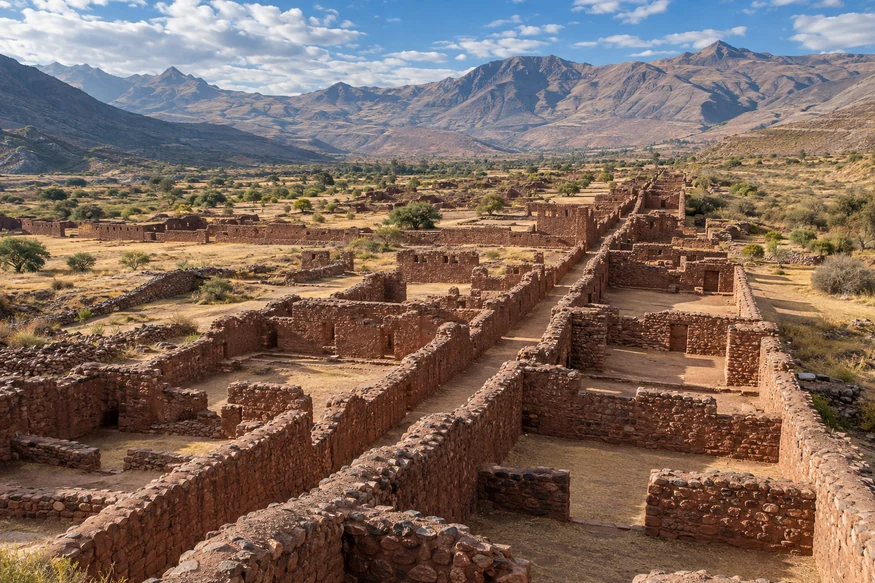
Pikillaqta is a large pre-Inca Wari archaeological complex southeast of Cusco, distinguished by straight streets, high walls and an unusually planned urban layout. It is normally visited on the South Valley route with Tipon and Andahuaylillas.
What Is Pikillaqta?
Pikillaqta was an important Wari settlement built centuries before the Inca expansion. Its orthogonal plan, long walls and repeated enclosures distinguish it from the better-known Inca complexes around Cusco.
Where Is Pikillaqta in Cusco?
The site lies southeast of Cusco near Lake Huacarpay and the South Valley road. It is farther from the historic center than Sacsayhuaman and belongs to a different excursion corridor.
Pikillaqta Tickets
Admission is normally included in the applicable circuit of the Cusco Tourist Ticket. Confirm current validity, prices and official sales rules before departure.
Pikillaqta Opening Hours
Opening schedules may change because of holidays, conservation or official decisions. Check current hours and arrive well before final admission.
How to Get to Pikillaqta from Cusco
Private transport or a guided South Valley tour is the simplest option. Independent public transport may leave travelers on the main road rather than at the visitor entrance, so confirm the walking and return plan.
What to See at Pikillaqta
Planned Streets and Enclosures
The site’s geometry reveals deliberate urban organization. Follow marked routes to understand its scale without entering restricted structures.
High Wari Walls
Surviving walls show construction methods different from classic Inca fitted-stone architecture.
Landscape and Huacarpay Views
The surrounding plateau and nearby wetland help explain the settlement’s strategic setting.
How Long Do You Need?
Allow one to 1.5 hours. A guide is especially useful because the site’s importance comes from its urban plan rather than a single monumental structure.
Pikillaqta vs Tipon
| Feature | Pikillaqta | Tipon |
|---|---|---|
| Culture | Wari, pre-Inca | Primarily Inca |
| Main highlight | Planned urban complex | Terraces and water channels |
| Typical time | 1–1.5 hours | 1–2 hours |
The Cusco South Valley Route
A complete route commonly includes Tipon, Pikillaqta and Andahuaylillas. Together they present Inca engineering, pre-Inca city planning and colonial religious art.
Best Time to Visit
Morning generally offers cooler walking and clearer conditions. The dry season is more predictable; wet-season visits bring greener scenery and possible muddy paths.
Altitude and Accessibility
The terrain is relatively open but includes uneven ground and exposure to sun and wind. Walk slowly, carry water and ask about current accessibility before traveling.
What to Bring
- Cusco Tourist Ticket
- Water, hat and sunscreen
- Warm layer for wind
- Rain protection in wetter months
- Walking shoes with grip
Responsible Visiting
Stay on marked routes, do not climb walls and never remove stones or fragments. Pikillaqta’s adobe and stone remains are vulnerable to erosion.
Plan a Comfortable South Valley Visit
Combine Pikillaqta, Tipon and Andahuaylillas with coordinated private transportation from Cusco. Explore our Cusco cultural and full-day transportation options or contact our team for a personalized route.
Frequently Asked Questions
Is Pikillaqta worth visiting?
Yes for travelers interested in pre-Inca history or the South Valley route.
Was Pikillaqta built by the Incas?
No. It is principally associated with the Wari culture and predates Inca control of the Cusco region.
Can Pikillaqta and Tipon be visited together?
Yes. They are standard complementary stops on a half-day or longer South Valley excursion.