
Private transfer vs shared colectivo is luxury transport worth it in Cusco?

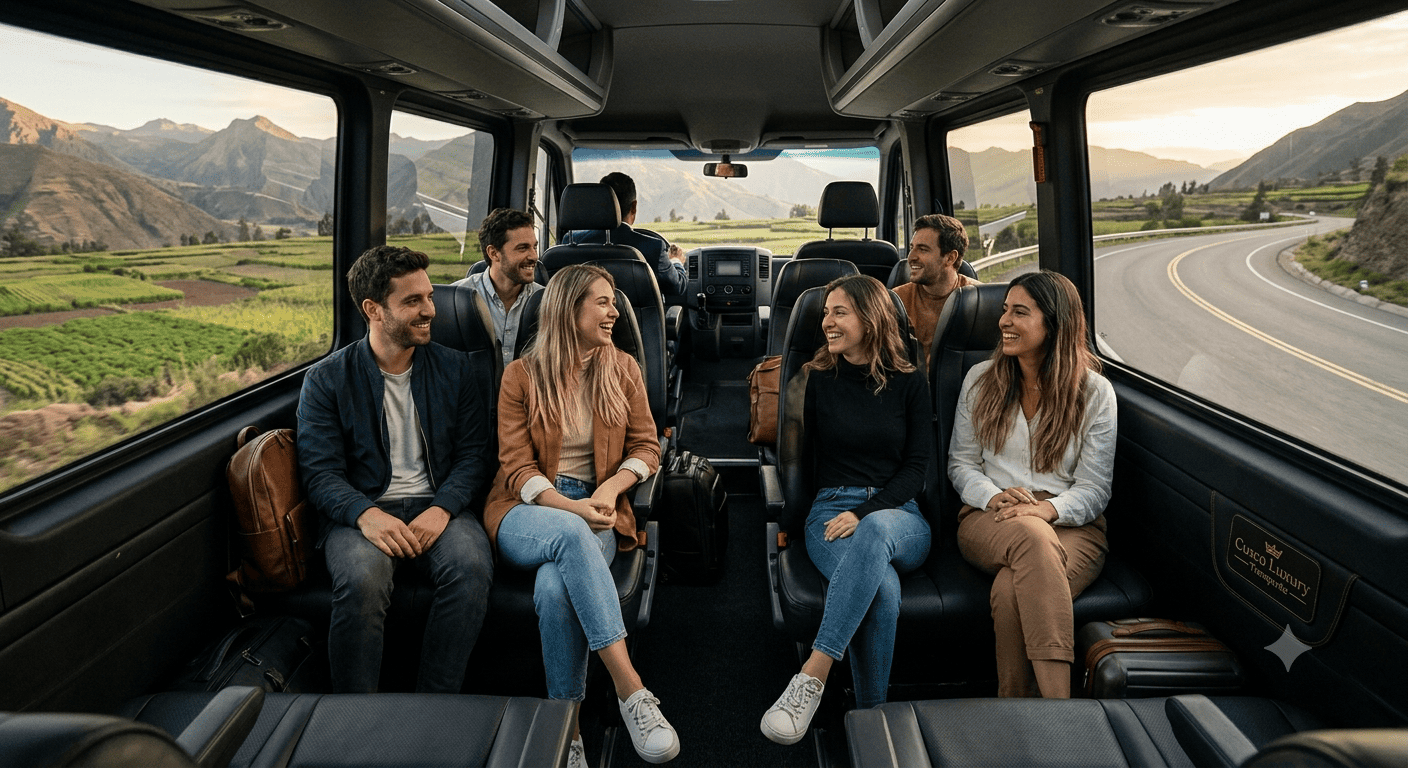
When planning a trip through the Peruvian Andes, specifically from Cusco or Alejandro Velasco Astete Airport to the Sacred Valley of the Incas, a recurring question arises among travelers should you book a private luxury transfer or use a local shared taxi?
While minivans and shared taxis are an option for those looking to save money, traveling high-altitude routes with tight flight or train schedules involves variables that go far beyond cost. Here you will find an objective comparison between private and shared taxi transfers in Cusco, which will help you decide if high-end transportation is worth the investment for your trip.
Private Transfer vs. Shared Colectivo
1. Time Efficiency and Schedule Precision
The journey from Cusco to Ollantaytambo covers approximately 60 kilometers (37 miles) along winding Andean roads.
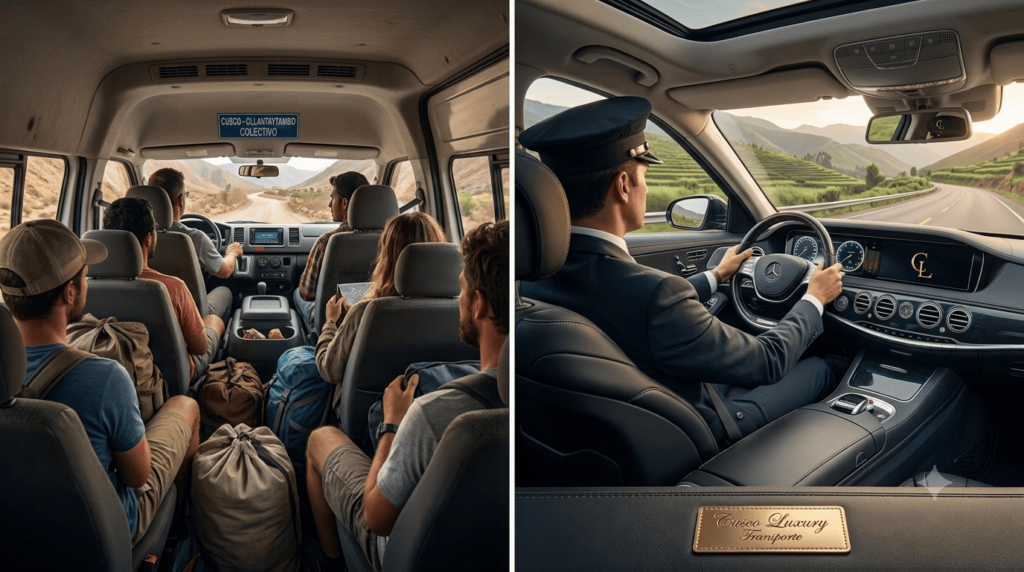
Shared ride experience
Shared ride services don’t have fixed departure times. Vans park at informal pickup points (such as Pavitos Street) and wait to fill their 15 to 19 seats before departing. Along the way, they make frequent, unscheduled stops to pick up local passengers, extending the trip to 2.5 to 3 hours.
Private ride experience
Your professional driver arrives early, helps you with your luggage, and departs just when you’re ready. The trip is direct, taking approximately 1 hour and 45 minutes, so you’ll arrive at the Ollantaytambo train station well before your train departs.
2. Flight Delays and Real-Time Tracking
More than 60% of commercial flights landing at Cusco Airport experience minor or major schedule adjustments due to changing weather conditions at high altitude.
The risk of shared transportation
Shared taxis do not pick up passengers inside the gates. If your flight is delayed by even 30 minutes, you will lose any shared transportation ticket purchased in advance, forcing you to carry your luggage through busy streets to find alternative transportation at the last minute.
The advantage of private transportation
An exclusive executive transfer service is continuously synchronized with real-time flight radar data. If your flight is delayed in Lima or is in a landing zone over Cusco, your driver will automatically adjust your pickup time at no extra cost.
3. Altitude, Comfort, and well-being
Atmospheric pressure at sea level, typical of an airplane, up to the altitude of Cusco, at 3,400 meters (11,152 feet), represents a physical strain on the human body.
Elevation Drop Relief:
Cusco Airport (3,400m / 11,152ft) – Ollantaytambo (2,792m / 9,160ft). During this critical transition, comfort plays a vital role in preventing or easing altitude sickness (soroche):
Space and ventilation:
Shared minivans are often very crowded, frequently lacking air conditioning or heating. In contrast, private vehicles offer spacious seating, dual-zone climate control, smooth air suspension, and complimentary bottled water.
Luggage handling:
In a shared minivan, large, hard-sided suitcases are often crammed into the aisles or strapped to the roof racks, exposed to dust and rain. A private SUV or executive Sprinter van offers secure, enclosed storage space, protecting your belongings throughout your journey.

Ford Territory 2025
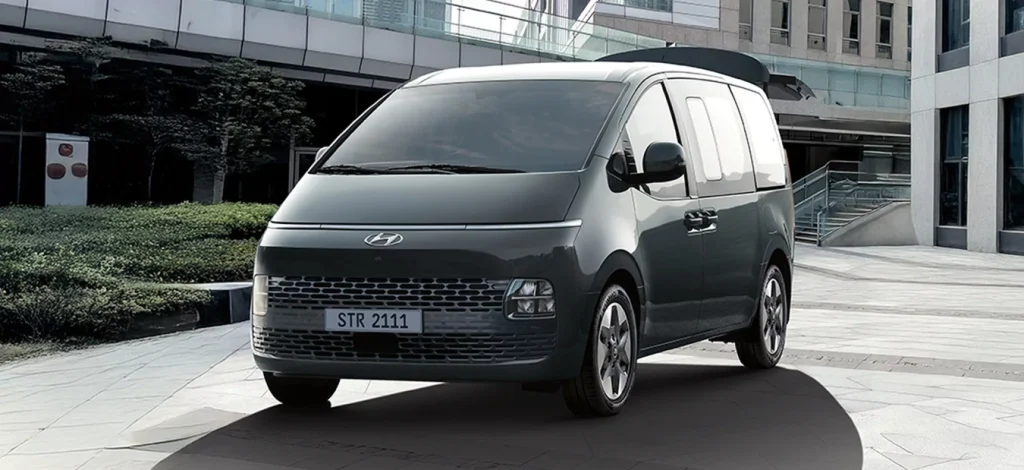
Hyundai Staria 2025
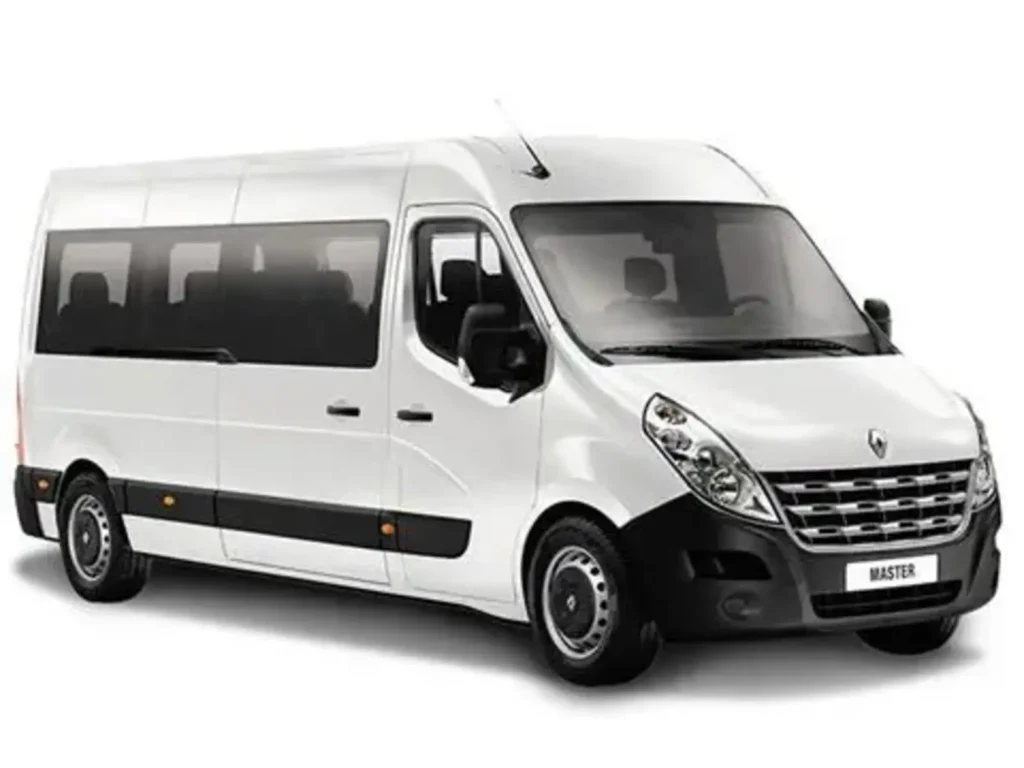
Renaul Master
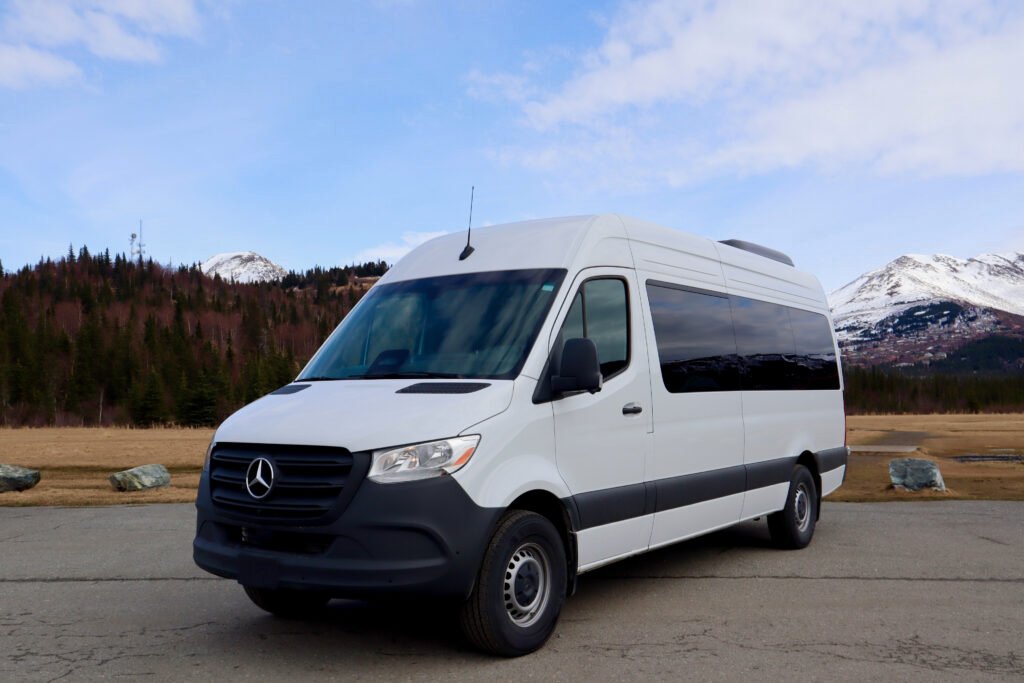
Mercedes-Benz Sprinter
Is private transportation worth it in Cusco?
If you’re traveling solo with minimal luggage, limited time, and a tight budget, a shared shuttle offers an affordable way to experience local transportation.
However, if you’re traveling with family, carrying valuable luggage, or connecting directly to the train to Machu Picchu, a private transfer is an essential investment. The peace of mind, time saved, and comfort ensure your Sacred Valley trip gets off to a smooth start.