
Cusco Altitude: Acclimatization, Symptoms and Travel Tips

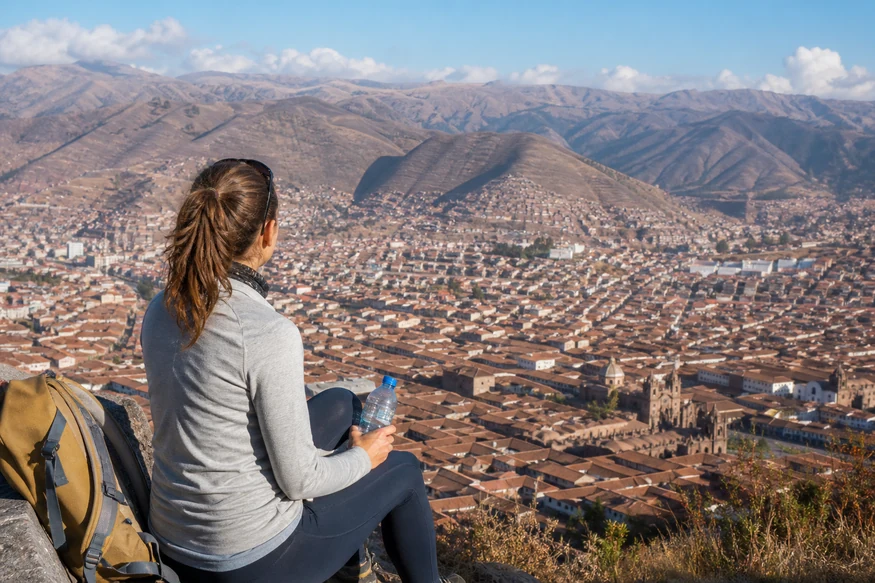
Cusco sits at approximately 3,350 meters (about 11,000 feet) above sea level. Travelers who fly directly from Lima or another low-elevation city arrive faster than the body can fully adapt to the reduced oxygen pressure. Many people experience no serious problems, but headache, tiredness, poor sleep, reduced appetite or breathlessness can appear during the first day.
Good planning cannot guarantee that you will avoid altitude illness, yet it can make your arrival more sensible. Keep the first 24 to 48 hours light, hydrate normally, avoid alcohol and strenuous exercise, and learn the warning signs that require descent or medical care.
How high is Cusco?
- Cusco: approximately 3,350 m / 11,000 ft
- Urubamba: approximately 2,870 m / 9,416 ft
- Ollantaytambo: approximately 2,790 m / 9,154 ft
- Machu Picchu: approximately 2,430 m / 7,972 ft
- Rainbow Mountain: above 5,000 m / 16,400 ft on commonly visited routes
Elevations vary by exact location, but the comparison explains why some travelers begin in the Sacred Valley before sleeping in Cusco. It also shows why a demanding high-altitude excursion should not be treated like an ordinary city day.
What is altitude sickness?
Acute mountain sickness can occur after a rapid ascent to high elevation. Fitness does not reliably protect a traveler: a strong runner can feel symptoms while a less athletic companion does not. Previous experience at altitude is useful information, but it does not guarantee the same response on every trip.
Common mild symptoms can include headache together with fatigue, dizziness, nausea, reduced appetite or disturbed sleep. Do not climb higher while symptoms are worsening. Rest and monitor how you feel, and seek qualified medical advice when uncertain.
Warning signs that need urgent attention
Severe altitude illness is uncommon but potentially life-threatening. Confusion, inability to walk normally, breathlessness at rest, chest tightness, blue or gray lips, or a persistent cough with worsening respiratory symptoms require urgent action. Descend and obtain emergency medical care; do not wait for a tour or travel schedule to finish.
This article provides general travel information, not a diagnosis. Travelers with heart, lung or other significant medical conditions, pregnant travelers, and anyone considering preventive medication should speak with a clinician before the trip.
How to acclimatize in Cusco
- Make arrival day easy. Check in, eat lightly and choose a short level walk rather than a full sightseeing schedule.
- Avoid hard exercise and alcohol. The CDC advises avoiding heavy exercise and alcohol during the first 48 hours after arriving above 8,000 feet.
- Drink normally. Carry water, but do not force excessive quantities. Dehydration can worsen how you feel, while overhydration creates other risks.
- Sleep before going higher. Give your body time before adding Rainbow Mountain, a high pass or a strenuous trek.
- Listen to symptoms. Do not continue ascending when symptoms are getting worse.
Should you go directly to the Sacred Valley?
Urubamba and Ollantaytambo are lower than Cusco, so a direct transfer can create a more gradual itinerary for some visitors. This is especially practical when your next stage is a Sacred Valley hotel or an Ollantaytambo train. It is a planning choice rather than medical treatment, and travelers with health concerns should obtain individual advice.
Read why travelers choose a direct Cusco Airport to Sacred Valley transfer. Private transport also lets you avoid searching for a vehicle immediately after landing and ensures space for your luggage.
A sensible first 48 hours
Arrival day
Transfer directly to your hotel, rest, have a light meal and take only a gentle walk if you feel well. Avoid a packed city tour immediately after your flight.
Day two
If symptoms are absent or improving, explore the Historic Center at a relaxed pace. A private city tour can reduce unnecessary walking between sites, but archaeological complexes still involve uneven ground and steps.
Day three and beyond
Add the Sacred Valley or another moderate activity before the highest excursions. Our guide to how many days to spend in Cusco provides flexible 3, 4 and 5-day plans.
Experiences to schedule after acclimatization

Rainbow Mountain
Reserve this very high-altitude experience for after adequate acclimatization.
What to pack for Cusco altitude
- A reusable water bottle
- Warm layers for cold mornings and evenings
- High-SPF sunscreen, sunglasses and a hat
- Comfortable shoes with reliable grip
- Personal medication in your carry-on luggage
- Travel insurance details and emergency contacts
Frequently asked questions
How long does acclimatization take?
There is no exact schedule that applies to everyone. Many travelers feel better after the first one or two days, while full adaptation takes longer. Base decisions on symptoms and avoid rushing higher.
Does coca tea prevent altitude sickness?
Coca tea is culturally common and may feel soothing, but it should not replace gradual ascent, symptom monitoring or medical treatment. It can also affect some drug tests.
Can I visit Machu Picchu before Cusco?
Machu Picchu is lower than Cusco, but reaching it usually involves transfers and fixed train times. A route through the Sacred Valley can be comfortable when organized carefully.
Final advice
Respect Cusco altitude without letting it dominate the trip. Build in time, make the first days flexible and do not ignore worsening symptoms. A relaxed arrival, properly sequenced itinerary and reliable transportation will help you focus on the history and landscapes you came to experience.
For broader planning, use our complete Cusco travel guide and review the best time to visit Cusco.